 中文
 英文
 俄文


Introduction: Embodied intelligence is moving from laboratories to industrial sites. Zhongke Lingxi targets real-world demands and acts as a pragmatic enabler for manufacturing upgrading with full-stack capabilities.
In the past two years, embodied intelligence has gradually advanced from laboratory demonstrations to the forefront of industrial applications.
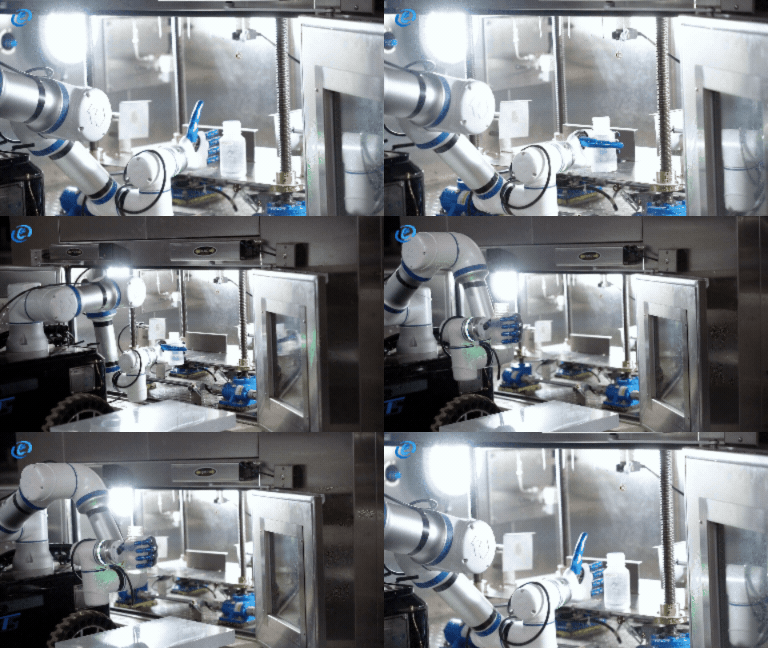
At a chemical plant in Hubei Province, operators hesitated for a long time before a new piece of equipment. It marked the first deployment of a dexterous hand in a hydrogen fluoride sampling zone, mounted on a sampling robot to carry out sampling work involving the highly corrosive substance known in the industry as "bone-dissolving water".
The robot took over the sampling bottles, along with tasks too hazardous for human operators. Having run stably for more than one year, it achieves a sampling success rate above 99.9%, completely eliminating safety risks of manual operation at the physical level.
This deployment happened before embodied intelligence was included in government work reports and long before the sector saw a sharp surge in popularity. For Zhongke Lingxi, focusing on dexterous manipulation for industrial scenarios is not a layout to chase industry hype, but a long-term path confirmed at the company’s founding.
From initial trend judgment, tackling full-stack technology implementation, to stable delivery across numerous industrial scenarios, we advance steadily at our own pace.
With intensive release of industrial policies and converging industry consensus, we are more convinced than ever: The value of embodied intelligence lies in industrial sites.
Focused on Industry, We Prioritize "Real Demands"
In September 2024, Zhongke Lingxi was registered and established in Hefei. Back then, discussions around embodied intelligence mostly centered on display effects of humanoid robots — taking a few steps, waving hands and performing interactive motions could easily draw massive attention, yet such robots rarely found their way into factory production lines.
Our core team comes from the USTC Institute of Advanced Technology, with years of in-depth research in dexterous manipulation and a clear understanding of the limits of laboratory technologies. Supported by the industrial resources of Jiangsu Leili, we also have first-hand insight into pain points on industrial frontlines.
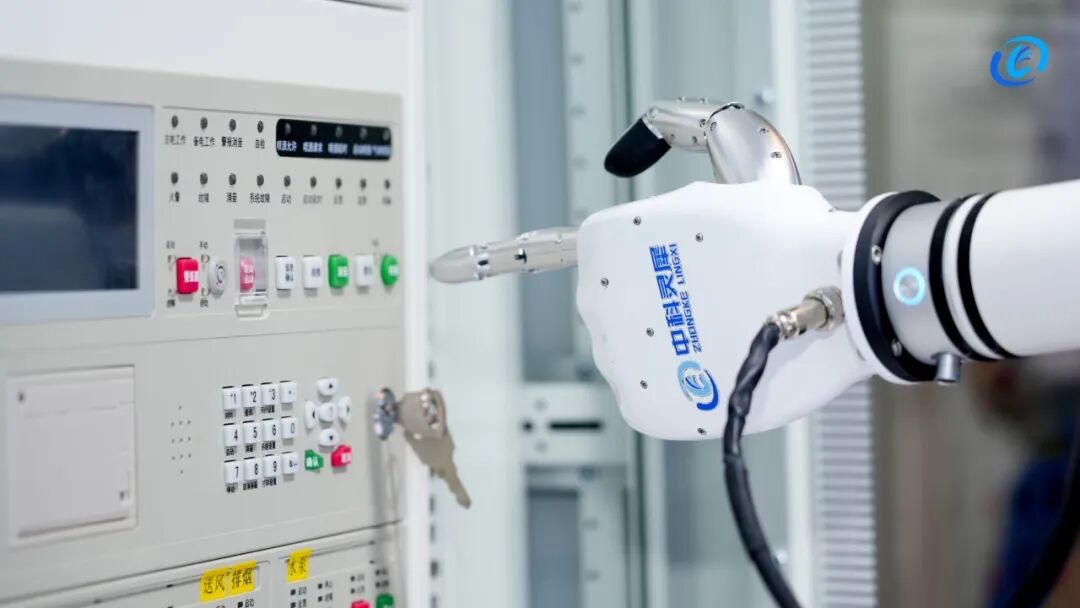
These frontline industrial positions drain workers’ energy and harm their health, while restricting production line efficiency and safety. Freeing workers from dangerous, precise and strenuous operating posts to make production lines more efficient and safer — these genuine industrial pain points represent the direction worthy of our dedicated efforts.
"Let dexterous hands step out of laboratories and enter real industrial frontlines" is no empty slogan. It is the operational principle embedded into Zhongke Lingxi from day one.
From "Hands" to "Brains": We Deliver Productivity, Not Components
With the direction set, we push forward implementation step by step. Over the past two years, we have refined our solutions against real demands from industrial scenarios, building a full-stack capability system spanning hardware R&D, algorithm iteration and scenario-based delivery from "hands" to "brains".
1. Three Technical Routes, A Full Spectrum of Dexterous Hands
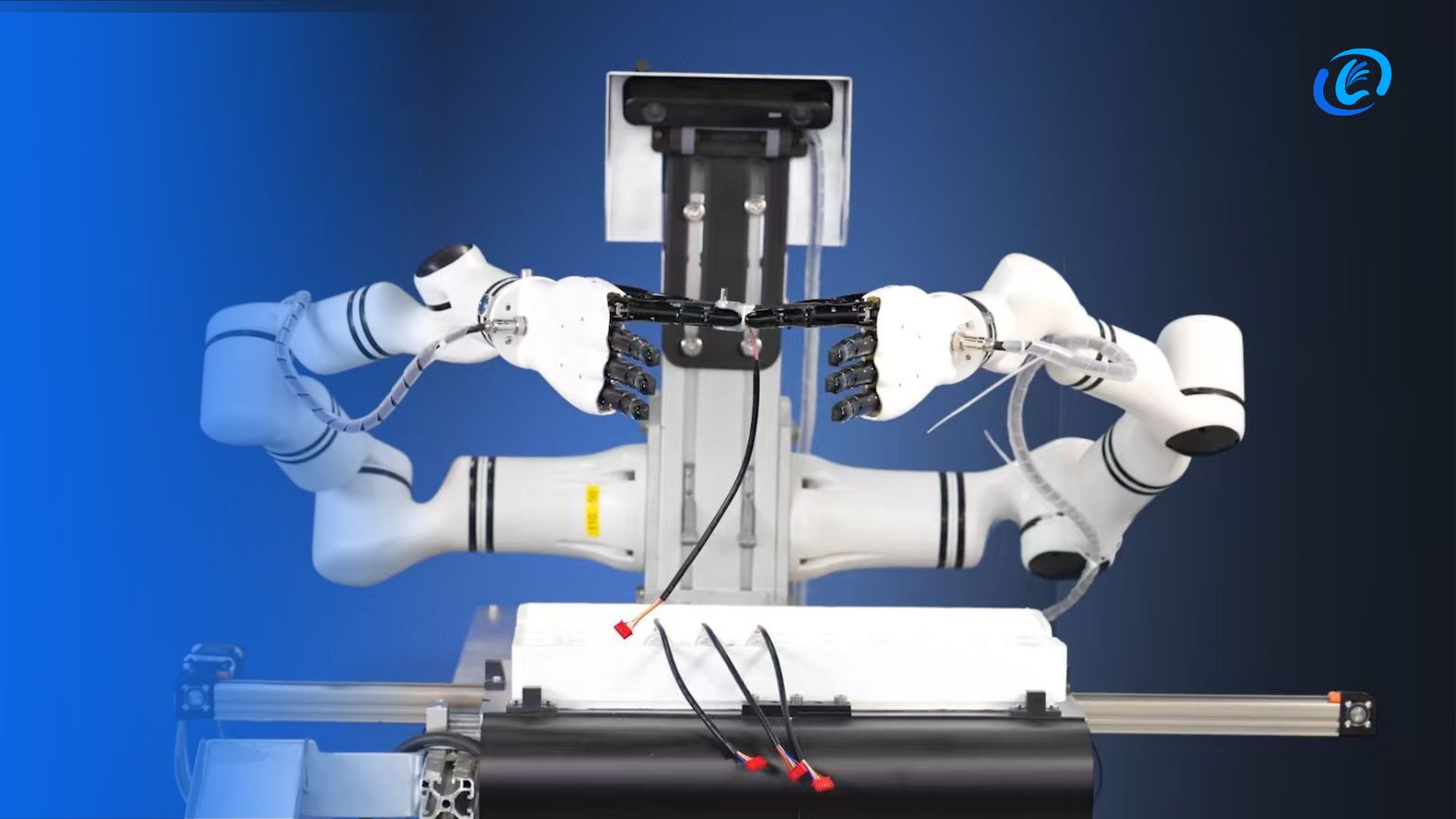
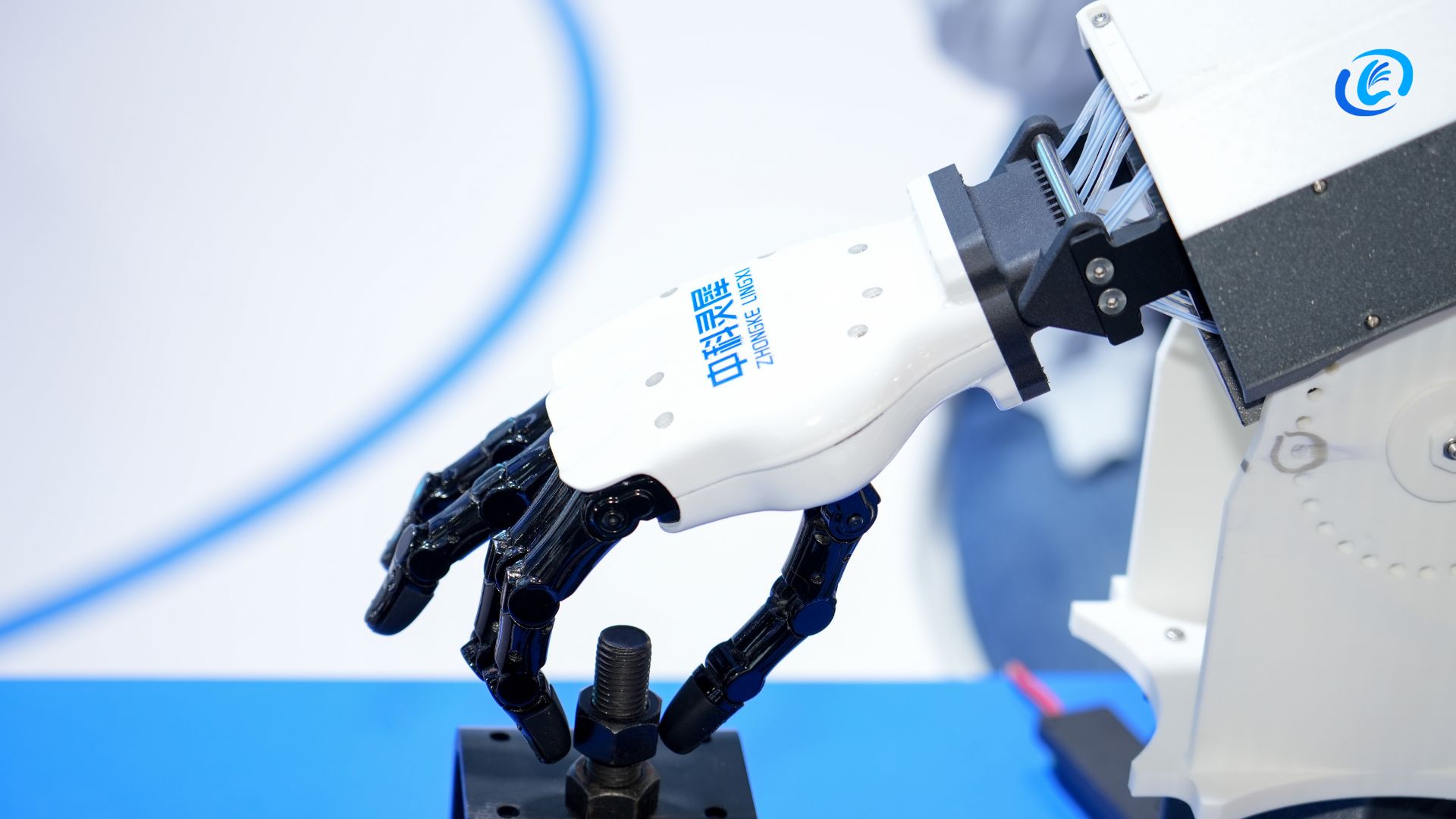
We develop dexterous hands based on three technical routes: linkage-driven, tendon-driven and direct-driven, covering four series for mainstream industrial use, research exploration, lightweight commercial applications and entry-level deployment. Our lineup ranges from lightweight models that grip tiny 1–2 mm components, to mainstream industrial units with a static payload of 25 kg, and special variants that operate stably at -40°C. Tailored dexterous hands for diverse scenarios.
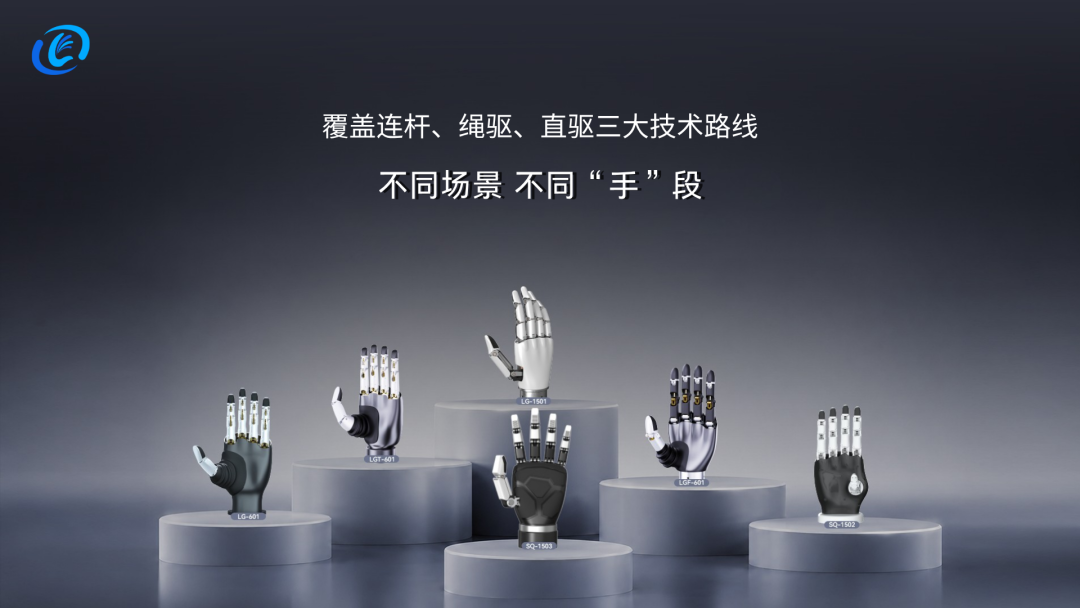
Linkage-driven hands feature high rigidity and high payload for heavy-duty, repetitive gripping tasks on production lines. Tendon-driven designs deliver high degrees of freedom and flexible manipulation for irregular workpieces and precision assembly. Direct-driven hands excel in fast response and high positioning accuracy for applications with strict cycle time and precision requirements.
To date, the company holds 47 independent intellectual property rights covering motor control, force control algorithms and transmission structures, with 100% domestically sourced core components. Leveraging Jiangsu Leili’s industrial chain advantages, our overall cost is over 50% lower than competitors. Behind these figures lie countless days and nights of repeated commissioning by engineers beside production lines.
2. Not Just Selling "Hands", But Turnkey Solutions
Industrial clients never buy standalone dexterous hands. What they need is equipment that can operate right after power-on — no extra teams for hardware adaptation or process tuning, ready to generate tangible output once integrated into production lines.
Therefore, we have built a three-in-one comprehensive support system covering the entire implementation workflow:
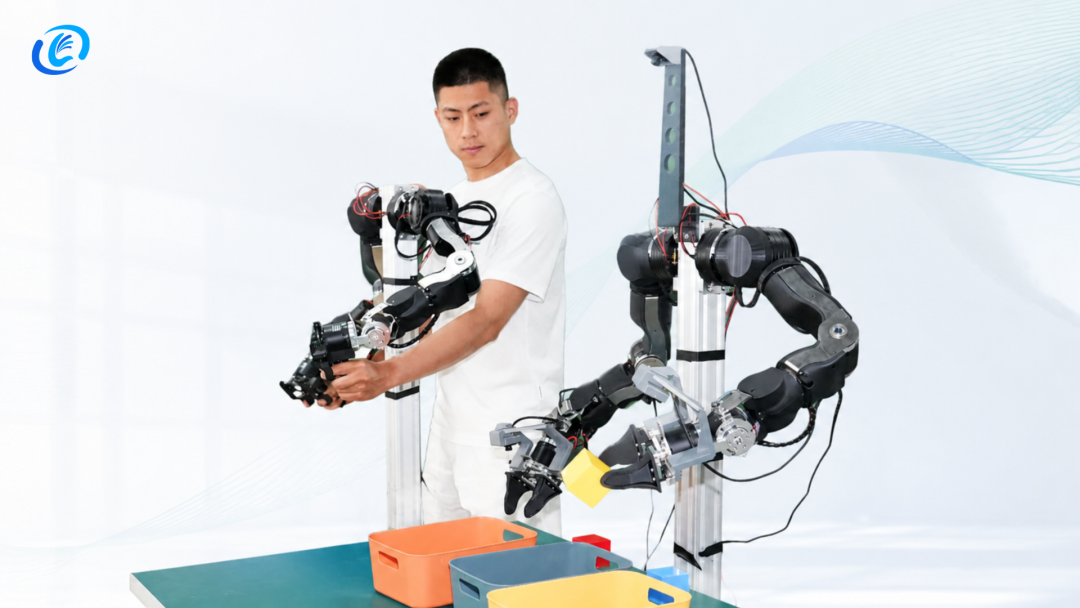
| Lingxi Data Acquisition Platform for process knowledge accumulation. It converts operating skills of veteran frontline workers into standardized machine-readable data, enabling robots to quickly master operation logic for different scenarios.
| Lingxi VLA Model for intelligent decision-making. It allows robots to perceive on-site working conditions, interpret task commands and independently plan motion paths. No new programming is required for product or scenario switching.
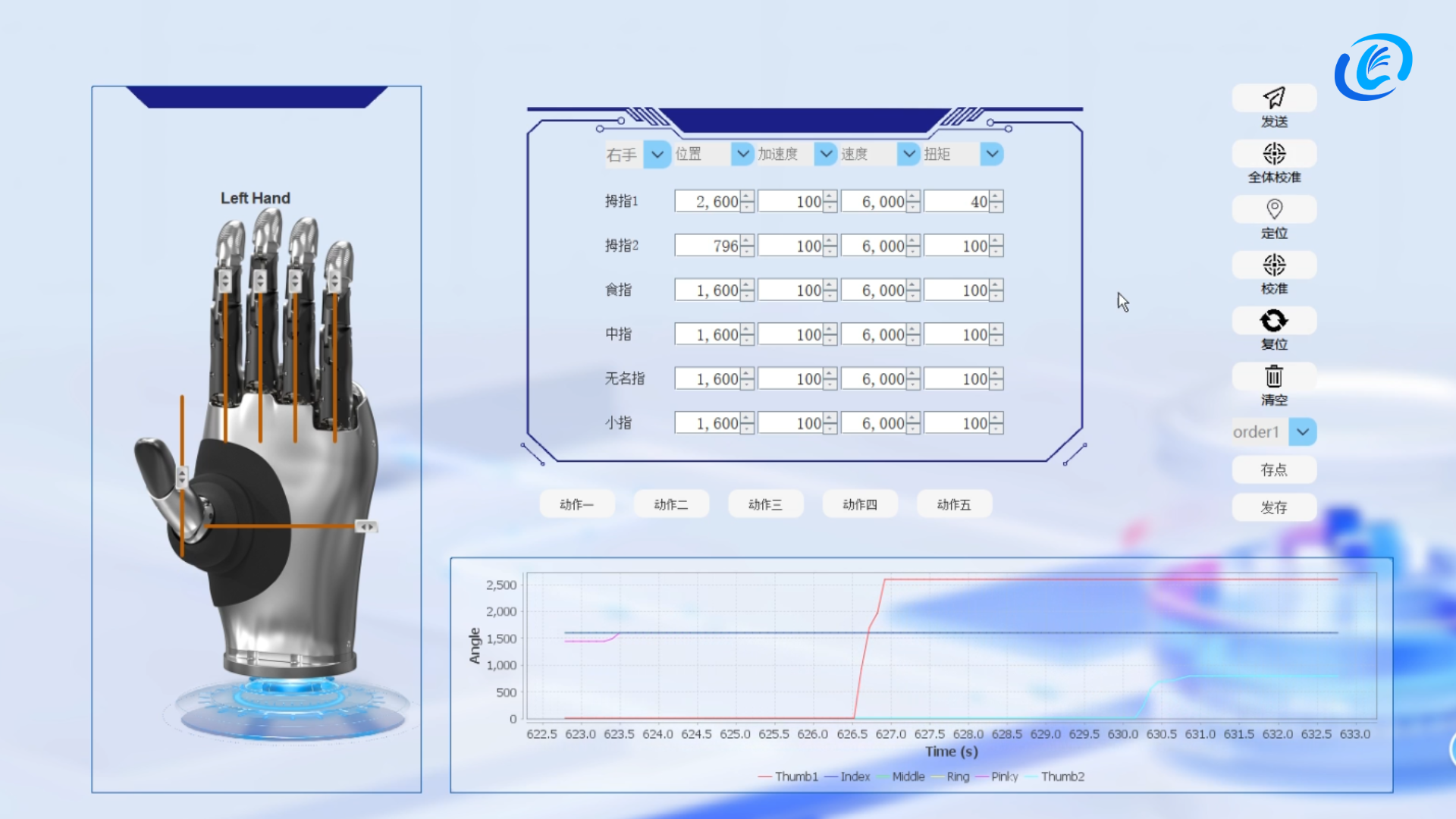
| Dexterous Hand Operation Platform to lower usage barriers. Operators can program finger movements via drag-and-drop zero-code configuration. Frontline process technicians can get started quickly without programming experience.
A closed-loop capability covering process migration, autonomous operation and daily maintenance is delivered as a whole. Clients receive not an isolated end effector, but a plug-and-play productivity unit that generates output upon deployment.
3. Scenario Validation: Proven Reliability on Production Lines
Data speaks louder than words when evaluating technology:
| Sampling of "bone-dissolving water" at a chemical plant in Hubei. Previously, operators wore full protective gear yet still faced major safety concerns. Our sampling robot equipped with a dexterous hand completes the whole workflow autonomously, including valve operation, sample capture, transfer and delivery for testing.
| 9-second assembly at a motor plant in Lu’an. The fully automatic assembly system finishes one cycle within 9 seconds. Two units replace one skilled worker, supporting more than a dozen product models with an assembly yield above 99%.
| Unmanned operation at a power distribution substation in Changzhou. Wheeled robots independently complete switching operations and meter reading. Traditional inspection robots could only "observe" instead of "act". Remote control now enables emergency response with zero electric shock risks.
These figures embody what we mean by "pragmatism". A 9-second cycle and two units replacing one worker are efficiency benchmarks validated on production lines, not nominal parameters released at product launches.
Strategic Alignment, Resonating with Policies and Industry Trends
While we devoted ourselves to refining products on production lines, industry perceptions and policy guidelines gradually converged with our choices.
When Zhongke Lingxi was founded in 2024, embodied intelligence had not yet been incorporated into national top-level strategic documents. Relevant industrial policies mostly focused on "encouraging exploration" without clear implementation guidance.
In March 2025, embodied intelligence was written into the government work report for the first time. In August the same year, the State Council issued the "AI+" action plan to explicitly empower manufacturing upgrading.
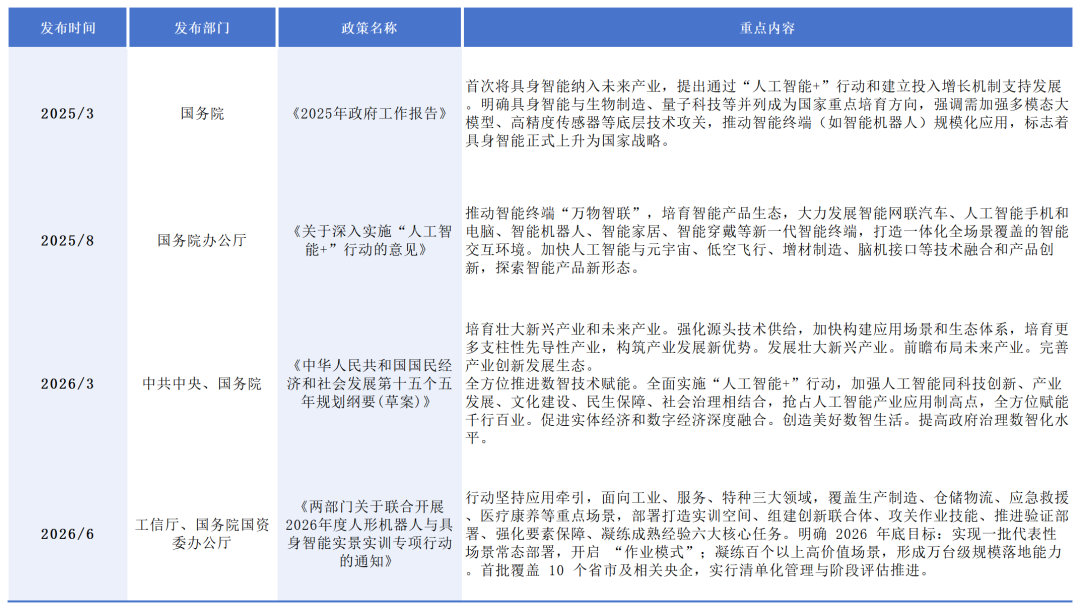
In 2026, the Outline of the 15th Five-Year Plan integrated embodied intelligence into the full-chain cultivation system for future industries. In June, the MIIT and SASAC jointly launched a real-scenario training special initiative, targeting over 100 high-value application scenarios and deployment capacity at the scale of ten thousand units by year-end.
A review of these policies reveals recurring keywords: "industry", "special applications", "real scenarios" and "on-site operation". Industry focus is shifting steadily toward real industrial end-users.
From our perspective, this is not lucky timing to catch a trend, but natural alignment with market momentum built through long-term dedication. Our firm commitment to industrial scenarios two years ago is further validated by policies and industry developments, strengthening our resolve to stay rooted on frontlines and advance deep into industrial applications.
Closing Remarks: Sticking to the Difficult yet Right Long-Term Path
Looking back today, embodied intelligence has indeed become one of the most important technology tracks of this decade. For Zhongke Lingxi, the significance of this track lies not in its popularity, but in the tangible value it can create for industries in this era.
From day one, we chose a difficult yet correct path: instead of being exhibition stars, we strive to be reliable workhorses on production lines. From explosion-proof sampling at chemical plants and precision assembly in motor workshops, to unmanned maintenance at high-voltage power distribution rooms and intelligent inspection on electronics production lines, our dexterous hands are steadily taking over positions once performed by workers at risk and under heavy workload.
Looking ahead, the story of embodied intelligence has only just begun. Moving forward, Zhongke Lingxi will continue to stay close to production lines, using technology to take over dangerous and strenuous work from humans, and delivering solutions to boost industrial quality and efficiency. We aim to be a solid partner for practitioners and a steady driver of manufacturing upgrading.