 中文
 英文
 俄文


Intro: What Zhongke Lingxi brought to the World Robot Conference (WRC) is a report card for "real industrial work".
From August 19 to 23, the World Robot Conference 2026 was held in Yizhuang, Beijing. Over five days, 373 enterprises showcased more than 3,000 exhibits, with 311 new products making their global debut. The event attracted 557,000 on-site visitors.
Unlike previous editions, fewer displays focused on flashy stunts this year, while more emphasized practical operation. As visitors moved from booth to booth, their most frequent questions shifted from “What movements can it perform?” to “How long can it run stably?” and “What is its typical failure rate?”. The industry focus has clearly shifted — deployment has become the core keyword.
What Zhongke Lingxi brought this time is exactly this report card built for real-world operation.
Global Premiere of LG-603
10,000 Hours Validated on Production Lines
On August 21, at the 2026 Innovation & Development Forum on Robot Core Components. Centered on the theme “Supply-Demand Synergy · Win-Win through Industry and Finance”, the forum gathered participants from government, industry, academia, research institutes, end-users and investment sectors, focusing on technological innovation and industrialization pathways for core robot components.
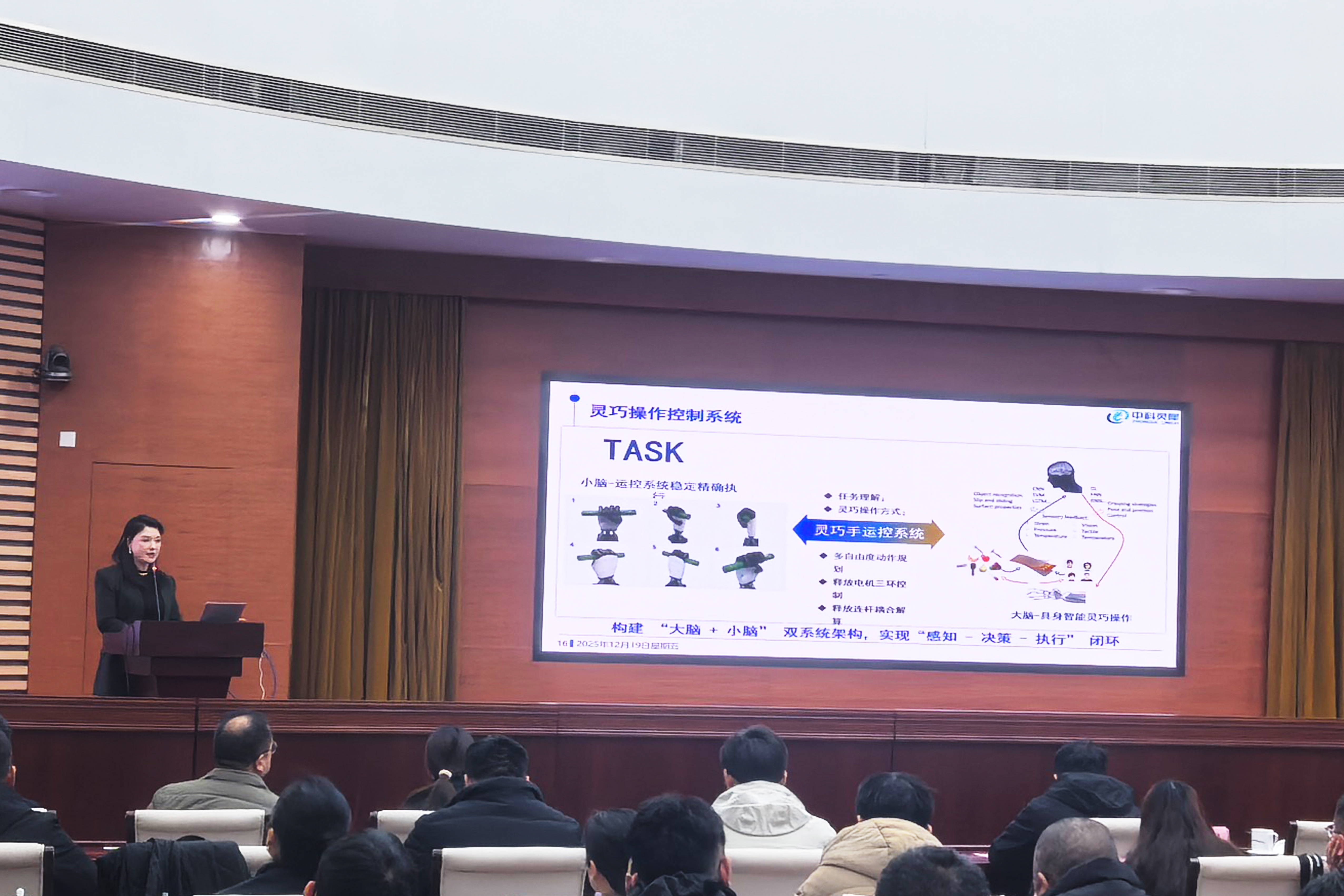
Xu Jiansheng, Marketing Director of Zhongke Lingxi, was invited to deliver a speech sharing his insights into the value of end-effectors in the embodied intelligence era. His core viewpoint is clear: the model defines what a robot can imagine, while the end-effector defines what a robot can accomplish. In other words, VLA (Vision-Language-Action) is a tool, not the destination. Robots must not only answer whether a task is achievable, but also prove whether they can run continuously, adapt to new scenarios, and operate reliably on production lines.
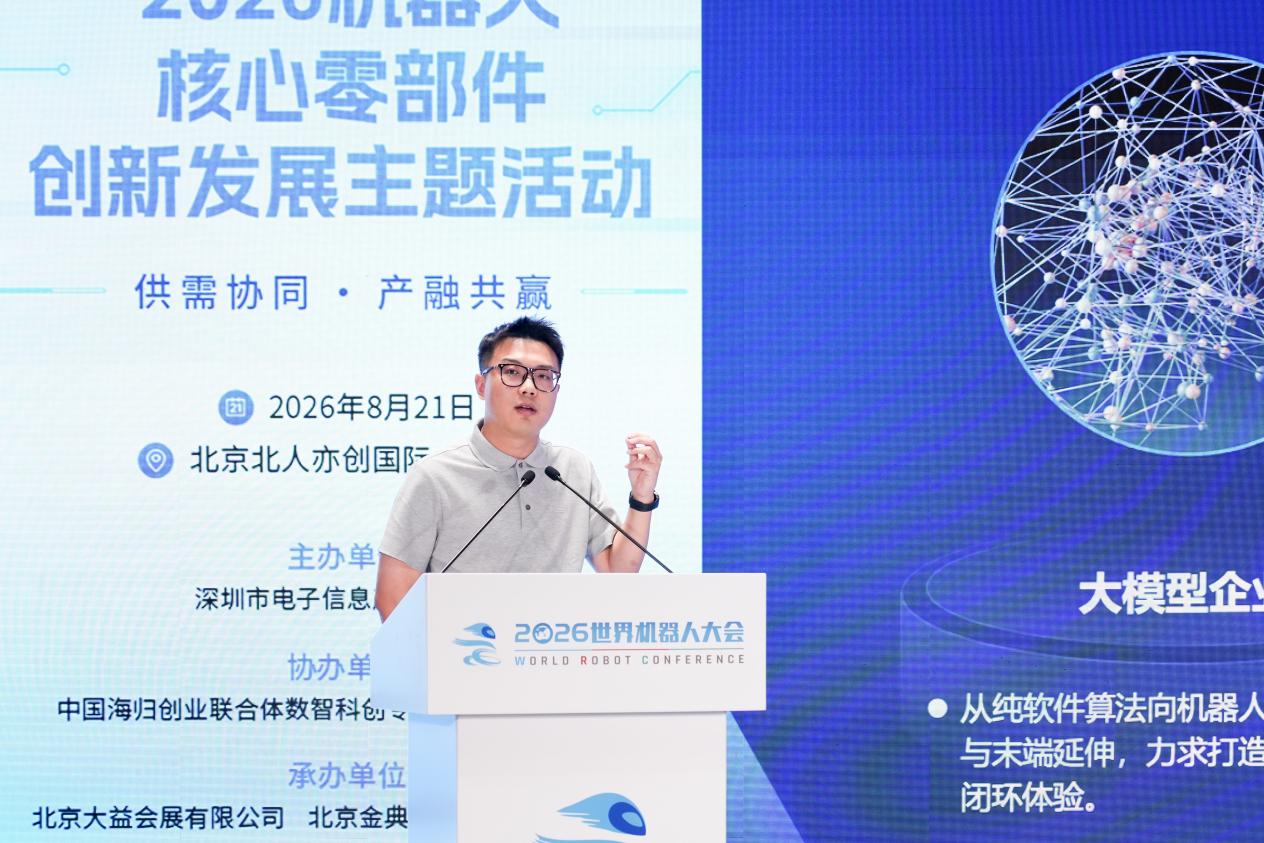
Marketing Director Xu Jiansheng speaks at the forum
Guided by this philosophy, Zhongke Lingxi pursues “VLA for Hand” — redefining dexterous hands by understanding VLA, enabling them to help robots complete real tasks rather than merely attaching an AI label to products. For end-effectors, degrees of freedom ultimately serve task execution. Stability, reliability and sustained operational capacity form the real threshold for dexterous hands to enter practical scenarios.
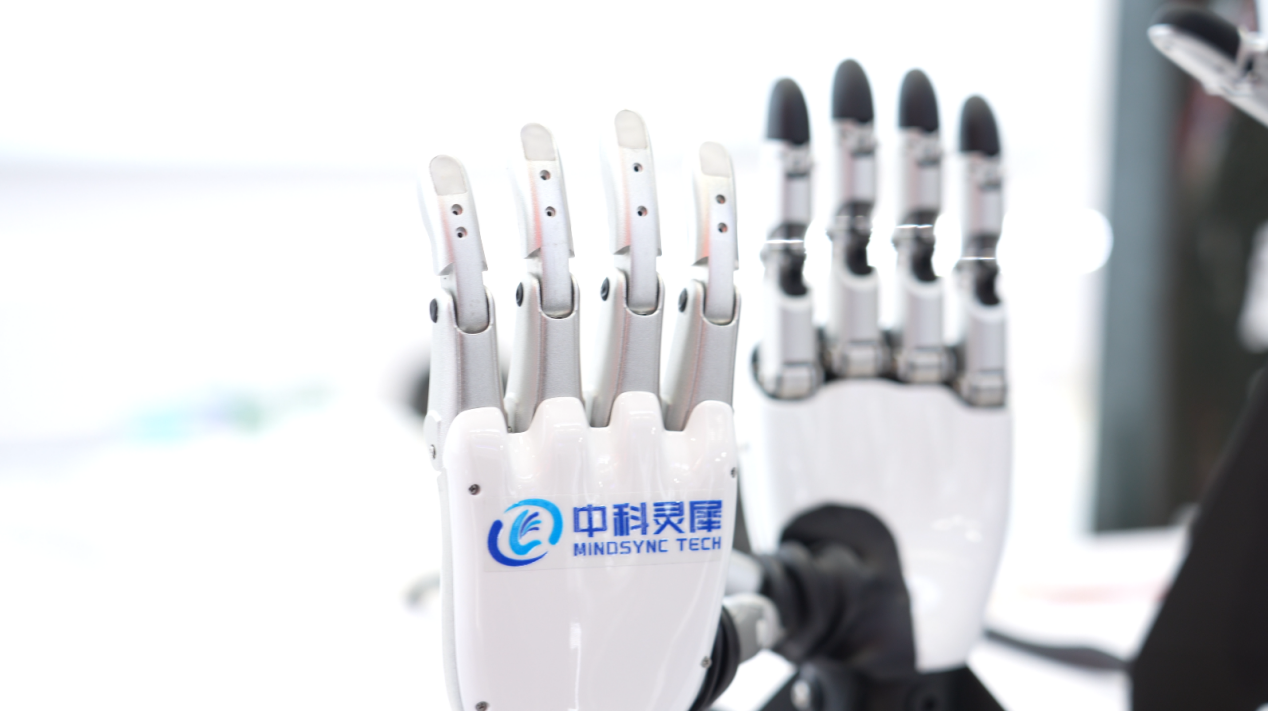
The LG-603 is developed under this principle: it is not validated in a lab, but proven on production floors. Its predecessor platform has run continuously for over one year at the Leili motor workshop in Lu’an, clocking 10,000 hours of zero-failure operation, equivalent to roughly 300,000 error-free cycles. Dimensions: 203×82×40 mm, weight: 510 g, static payload: 25 kg, minimum gripping diameter: 1–2 mm, maximum grip force of the whole hand: 85 N. High-precision delicate handling and heavy-load operation are no longer mutually exclusive.
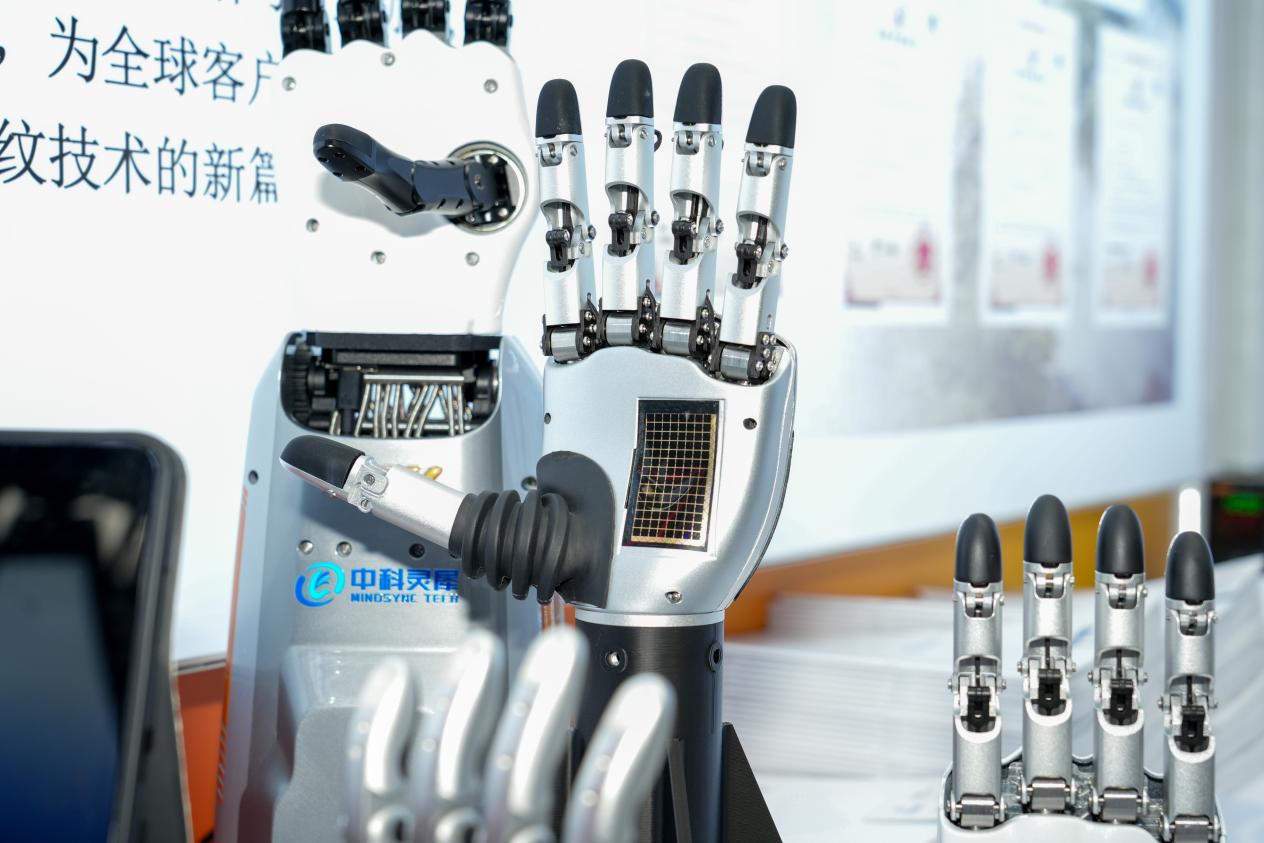
The forum also announced the 30-day pre-order launch of the LGX-601 lightweight economical dexterous hand. This product marks a key step in Zhongke Lingxi’s technology cascading strategy — extending mature industrial-grade dexterous hand technology into an affordable, lightweight yet powerful product. Weighing only 400 g with a static payload of 10 kg, it targets cost-sensitive markets including research, education and humanoid robot integration. It makes genuine dexterous manipulation technology accessible to more scenarios.
“Hunting Gems Along the Industrial Chain”
Industrial Questions on Pricing and Scenario Adoption
On August 19, the special roundtable “Hunting Gems Along the Industrial Chain — Hidden Champions Powering Robot Core Components”, hosted by the SMEs Development Promotion Center of MIIT, was held concurrently. The roundtable brought together specialized, sophisticated, unique and innovative enterprises focusing on core components for in-depth discussions covering dexterous hands, tactile sensing and other key tracks. Xu Jiansheng attended on behalf of Zhongke Lingxi and discussed pathways for large-scale deployment of dexterous hands with upstream and downstream industry representatives.
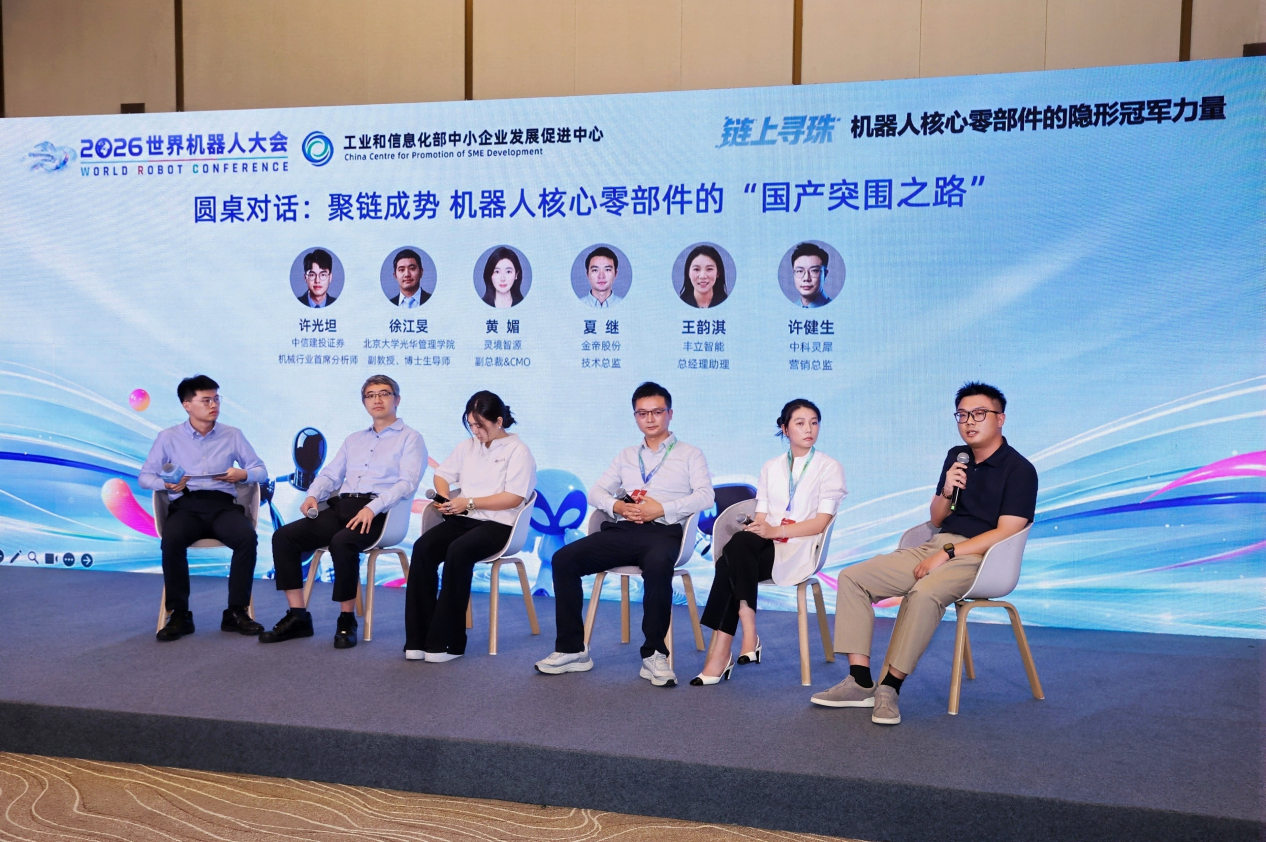
The discussion revolved around industrial chain collaboration, product tiering and scenario rollout. On supply-chain coordination, Xu Jiansheng proposed that mass adoption of dexterous hands requires joint development by robot integrators, core component suppliers and end users, so that real-world feedback iterates products and components. For product tiering, he shared Zhongke Lingxi’s classification logic: different customers prioritize different specifications. Research users focus on degrees of freedom, performance and development flexibility; robot integrators value cost control and reliability. Zhongke Lingxi delivers products with varied performance tiers and price points for customers to select according to their requirements.
Regarding industry deployment, he put forward a judgment: “The coming year will not be a contest of cutting-edge technology, but a race to get robots into real scenarios and create value.” A dexterous hand maker should not be judged by shipment volume alone, but by how many real tasks its hands help robots complete.
Booth Highlights
From Movement Demonstration to Practical Work
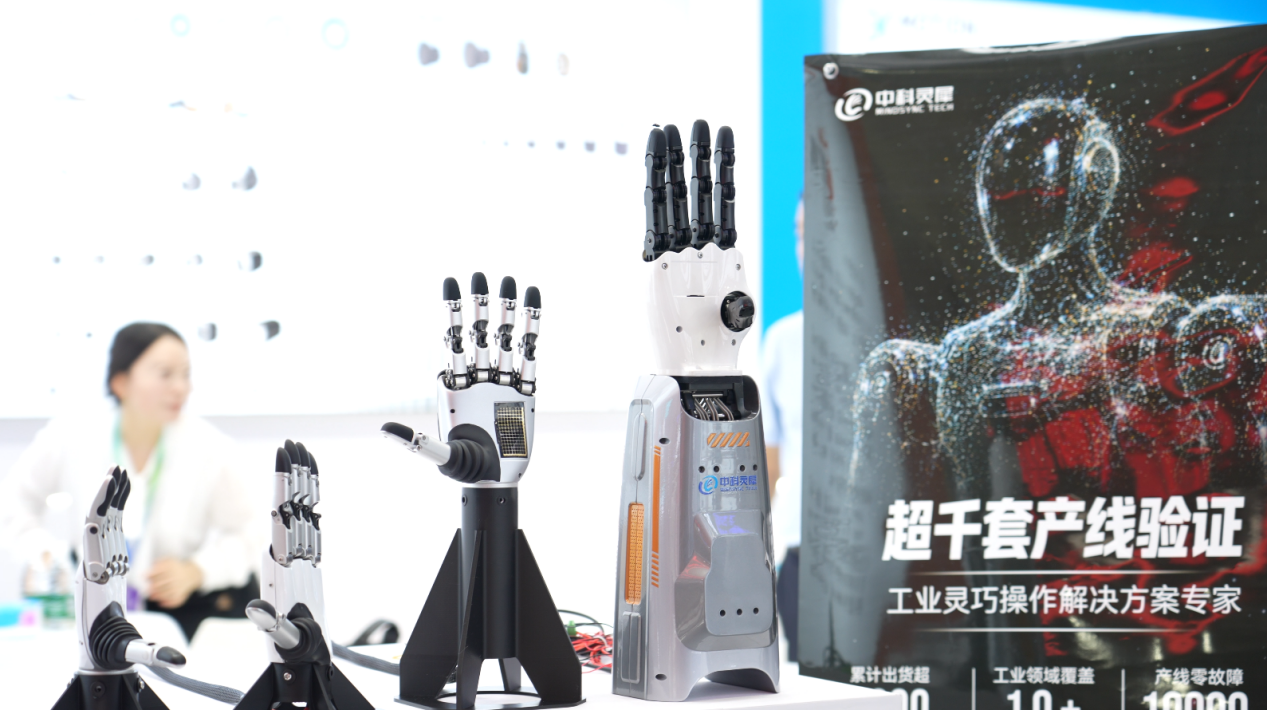
At this conference, Zhongke Lingxi showcased its globally launched flagship industrial model LG-603 and the lightweight economical LGX-601, alongside Pasini (multi-dimensional tactile sensing module) and Seris (high-precision lead screw and transmission components). The joint exhibit fully demonstrated end-to-end collaborative capacity, covering upstream precision transmission, tactile perception and industrial dexterous end manipulation. Beyond the mainstream industrial series and economical light-commercial series, the high-degree-of-freedom SQ series dexterous hands were also on display.
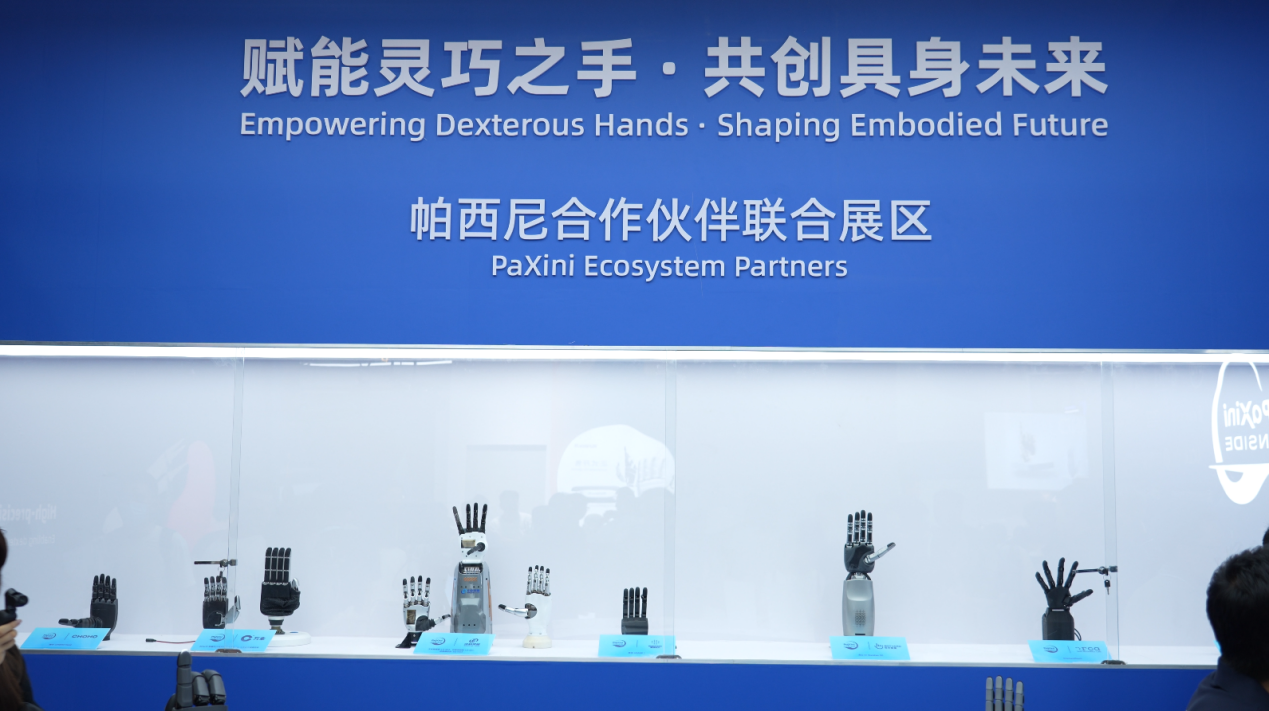
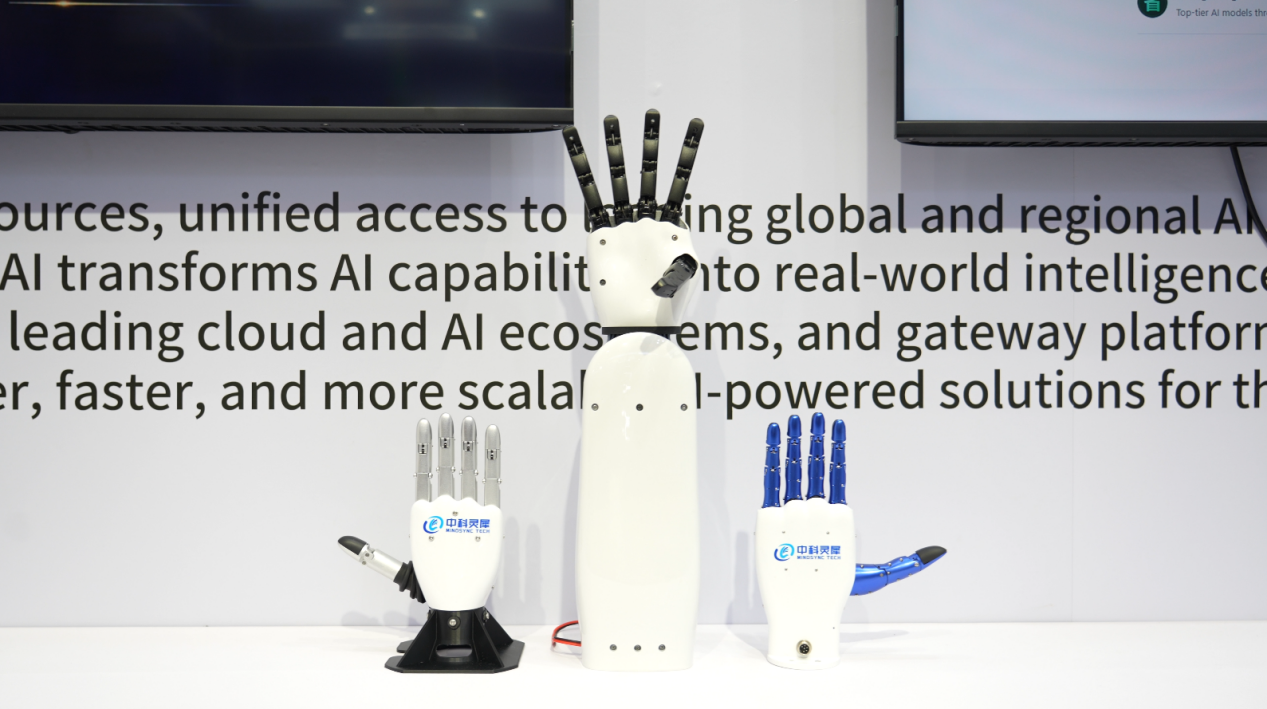 LG and SQ series dexterous hands at the joint booth
The dexterous hands remained a major attraction across exhibition zones. The joint booths drew continuous crowds, with engineers from system integrators and peer manufacturers stopping frequently to test the new products and exchange views on technical routes. General visitors marveled at the motion flexibility, while professional attendees raised deeper questions: “Can it run on my production line?”. Professionals from manufacturing firms, system integrators and research institutes shifted the conversation from “how elegant the movement looks” to “whether the product is fit for practical use”. Meanwhile, overseas buyers from Australia, New Zealand, Germany, Southeast Asia and other regions visited steadily, asking detailed questions covering payload, precision, compatible interfaces and delivery schedules.
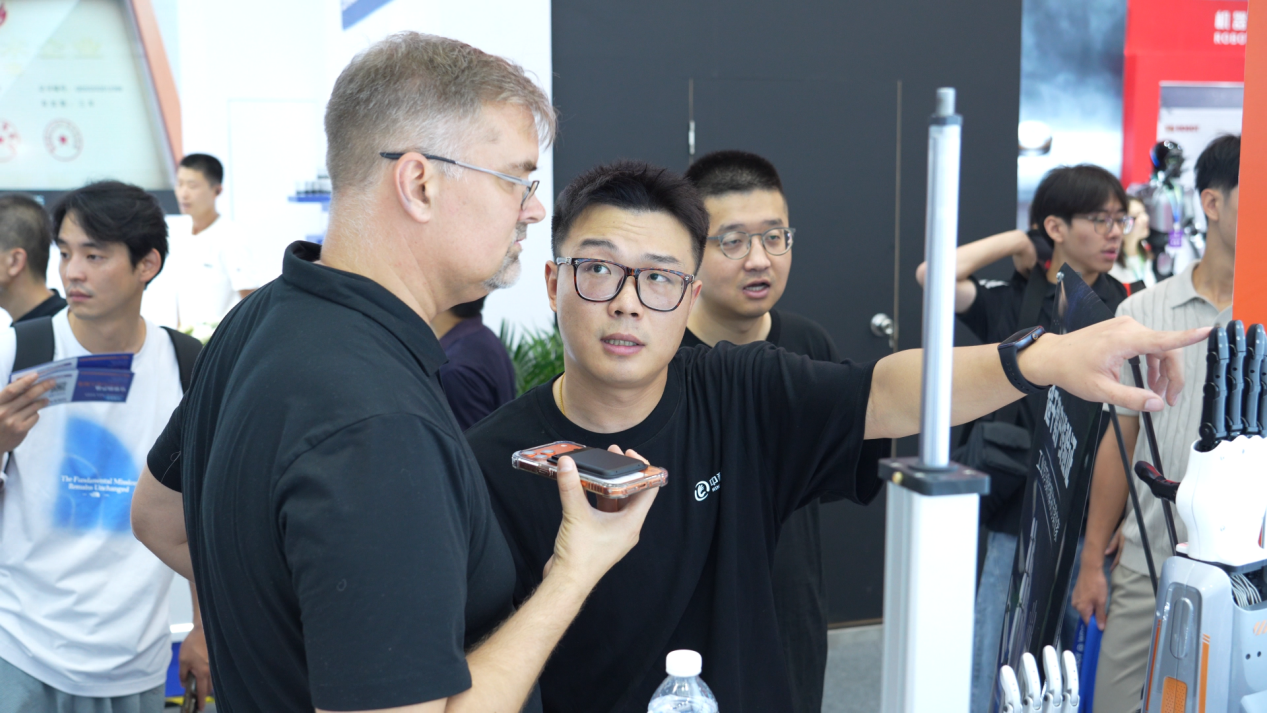
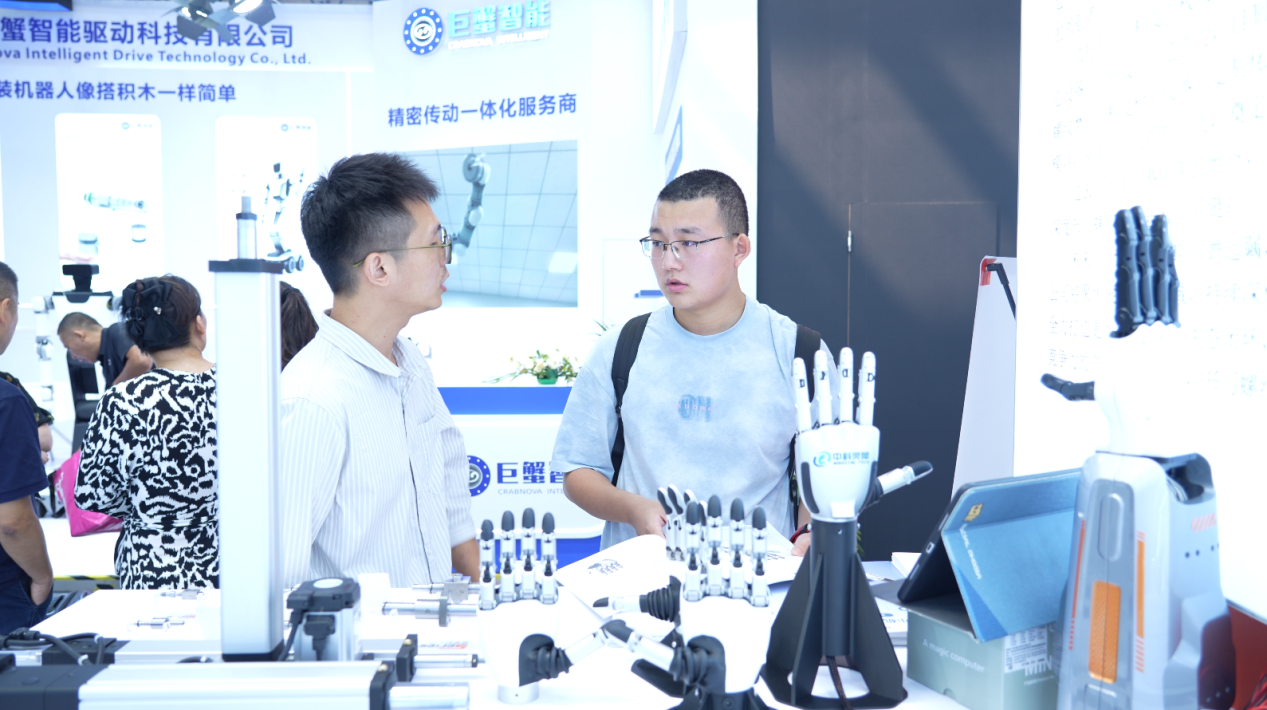
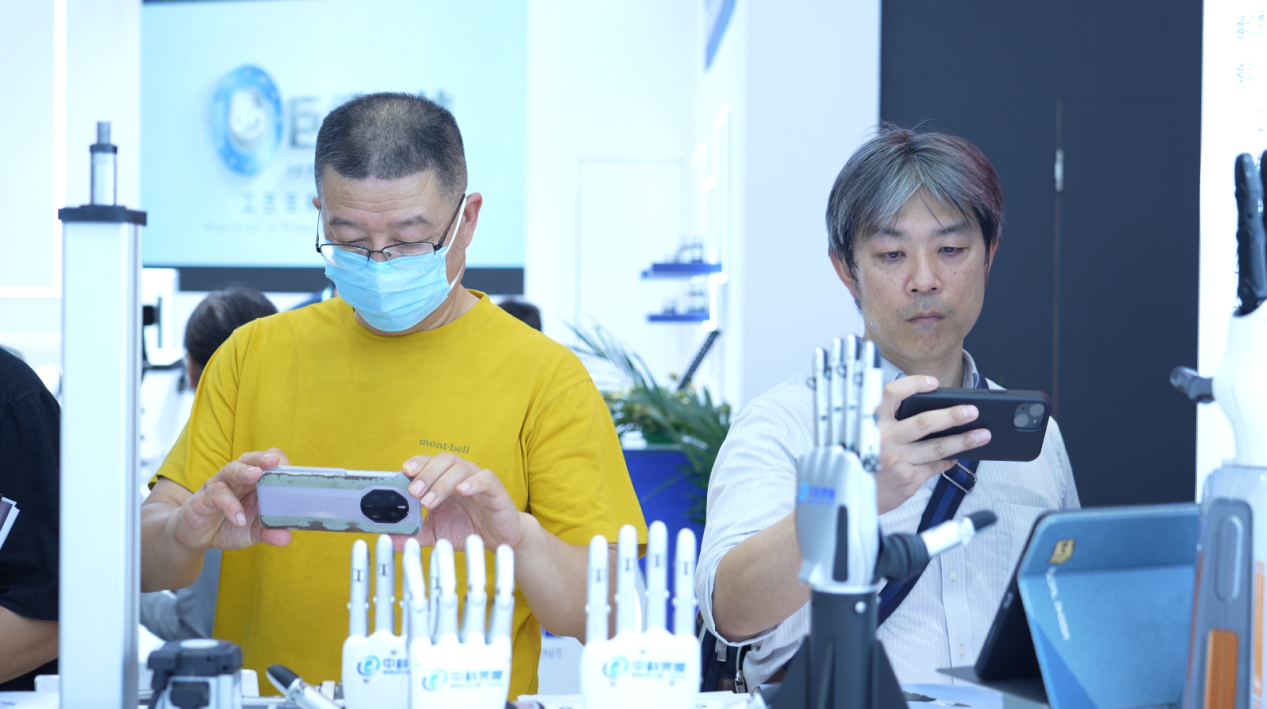
On-site snapshots of Zhongke Lingxi booth at WRC
Component suppliers took center stage this year, with a large batch of newly launched products targeting core parts. Zhongke Lingxi is part of this trend: instead of exhibiting isolated technologies, it presents a growing industrial ecosystem together with supply-chain partners.
Away from the exhibition hall, the globally premiered LG-603 also gained widespread attention. The release coverage was picked up by 108 media outlets on day one, accumulating over one million views online. More important than these figures is that the industry has begun earnest discussion on whether dexterous hands can truly operate in real industrial settings. Zhongke Lingxi has already delivered the answer on production lines with 10,000 hours of verified runtime.
Back to the Production Line
In H1 2026, China’s humanoid robot shipments exceeded 40,000 units, accounting for 97% of the global total. Mass production of complete robots is driving continuous iteration of components in performance, consistency and cost. The MIIT-released Humanoid Robot and Embodied Intelligence Standards Framework (2026 Edition) specifies a service life requirement of ≥10,000 hours for dexterous hand servo joints. Long before this standard was defined, Zhongke Lingxi’s products had already achieved this milestone on actual production lines.
Over the past year, with more than 1,000 delivered units and 10,000 cumulative operating hours per unit on production lines, Zhongke Lingxi has proven one point: Chinese industrial dexterous hands are evolving from “functional” to “reliable and practical”.
After WRC concludes, the production line remains the permanent testing ground.